
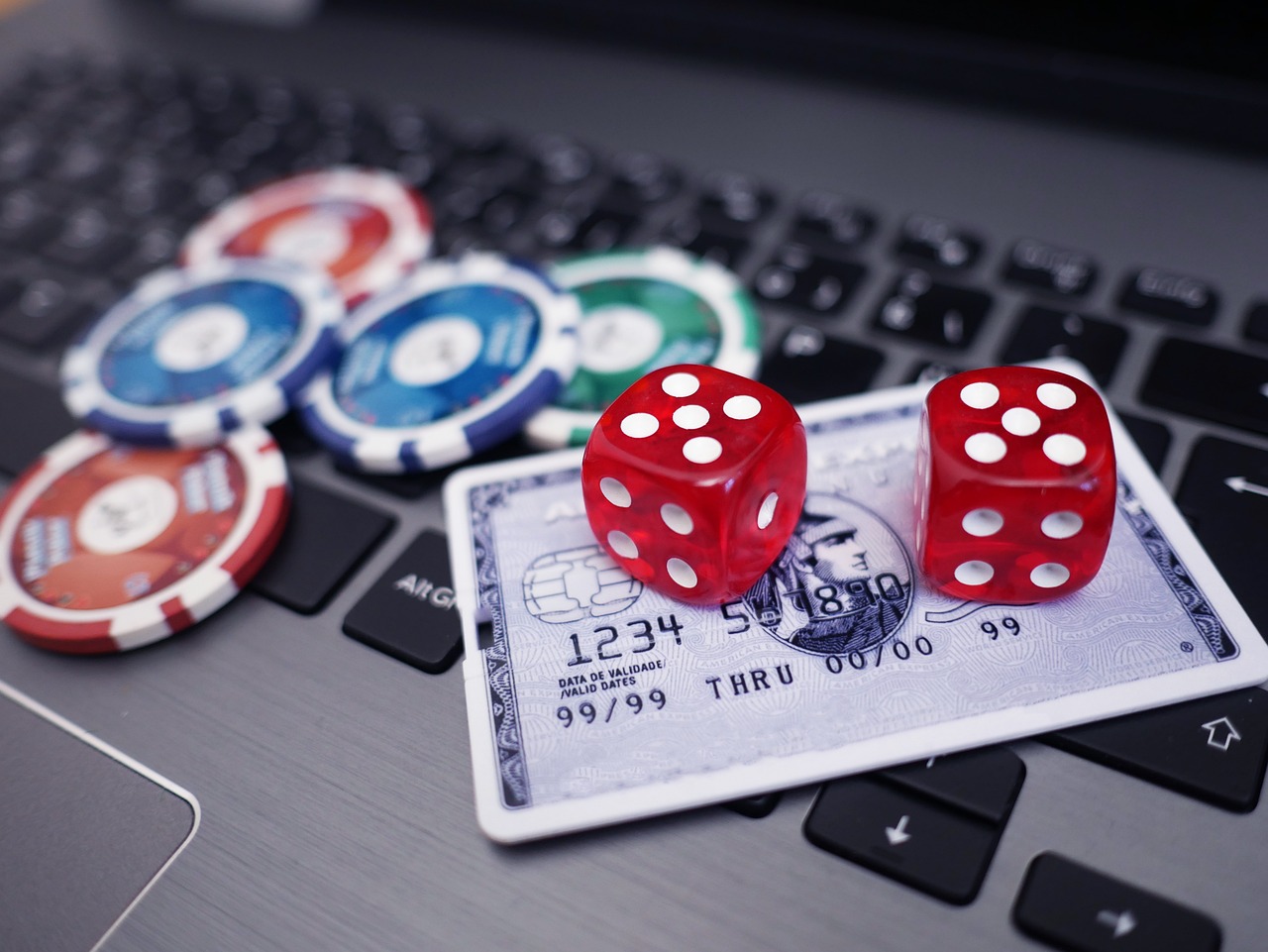
When someone wins big at an online casino, their life transforms in an instant. According to a 2023 survey by the International Gaming Association, approximately 12,800 online casino players worldwide won jackpots exceeding $1 million that year alone. These massive windfalls often lead to behavior that ranges from heartwarming to utterly bizarre.
The psychological impact of suddenly acquiring life-changing money cannot be overstated. Dr. Emily Harrington, a financial psychologist at Stanford University, explains: “When someone experiences a sudden windfall, especially through gambling, the brain’s reward centers are already in overdrive. This combination can lead to impulsive decision-making that the person might never consider in their normal state of mind.”
This explains why 73% of major jackpot winners make at least one significant purchase within 48 hours of their win, often without any prior planning. Furthermore, these impulsive decisions frequently become the stories that captivate our collective imagination.
Extravagant Purchases That Define Insanity
Perhaps nothing exemplifies post-win madness quite like the story of Trevor L. from Manchester, England. After winning £8.4 million (approximately $10.5 million) on an online slot game at Stay Casino online, Trevor didn’t just buy a new house—he purchased an entire private island off the coast of Scotland for £3.2 million. The most remarkable aspect? He had never previously expressed any interest in island ownership, nor had he ever visited Scotland.
“It just seemed like the kind of thing a millionaire should do,” Trevor later told The Guardian. “I saw it listed online while I was still celebrating and made an offer that night.” Consequently, Trevor became the proud owner of a 12-acre rocky outcrop with no utilities, buildings, or easy access. He eventually sold it 14 months later at a £1.1 million loss.
Ultimate Sports Fan
In 2021, Monica D. from Arizona won $4.3 million on an online poker tournament. A passionate basketball fan, she immediately spent $870,000 on season tickets—not just for herself, but for 26 of her friends and family members. She purchased premium courtside seats for the next five seasons for everyone in her social circle.
“I figured, what’s the point of having money if you can’t share the experience?” she told Sports Illustrated. Moreover, she hired a personal chef to cater all home games for her entire group, adding another $225,000 to her basketball-related expenses. In total, Monica spent approximately 25% of her winnings on this single passion.
Quitting Jobs in Spectacular Fashion
After winning €3.7 million on an online roulette game, Javier M. from Spain didn’t just quit his corporate job—he transformed his resignation into an event his colleagues would never forget.
He rented his company’s entire office building for a weekend (costing €42,000), hired a famous DJ (€35,000), catering (€28,000), and invited all 300+ employees to what he called his “Liberation Celebration.” During the party, he announced his resignation via a professionally produced video presentation that reportedly cost €17,000 to create.
“For ten years, this company took my time. Now I’m taking back my freedom,” he declared in the video. The total cost of his resignation party exceeded €125,000—more than twice his annual salary.
The Revenge Billboard
Some winners use their newfound wealth to settle scores. Katherine T. from Toronto won $7.5 million in 2023 and immediately purchased billboard advertising space directly outside her former workplace, where she had been denied a promotion three times.
The billboard featured her photo alongside the text: “Thanks for nothing. I quit. —Katherine T., Multi-Millionaire.” The billboard remained in place for six months at a cost of $96,000. Furthermore, she sent personalized gift baskets to every employee at the company except for the management team, each containing champagne and a note about her win.
Strange Charitable Endeavors
Not all post-win behavior is self-serving. Some winners engage in philanthropy, though sometimes in unusual ways.
Dog Paradise Creator
After winning $5.2 million on an online blackjack game, Richard P. from Texas spent $1.8 million purchasing 32 acres of land to create what he called “Canine Heaven”—a sanctuary for stray and abandoned dogs. He installed climate-controlled dog houses, automatic feeding stations, swimming pools designed specifically for dogs, and hired a staff of five full-time caretakers.
“Dogs never judged me when I was broke, so they deserve the best now that I’m not,” Richard explained. The sanctuary now houses 147 dogs and costs approximately $380,000 annually to maintain.
Comparative Analysis of Big Winner Behavior by Region
| Region | Average % of Winnings Spent in First Month | Most Common First Purchase | Percentage Who Quit Jobs | Most Unusual Trend |
| North America | 34.2% | Vehicles (42% of winners) | 68% | Private island inquiries (7.3%) |
| Europe | 27.6% | Real estate (38% of winners) | 52% | Castle renovations (3.2%) |
| Asia | 18.4% | Family gifts (51% of winners) | 31% | Temple donations (28.7%) |
| Australia | 41.8% | Travel packages (47% of winners) | 75% | Wildlife sanctuary creation (5.6%) |
Psychology Behind the Madness
Dr. Harrington identifies three key psychological factors that contribute to extreme post-win behavior:
- Sudden wealth syndrome – The emotional and psychological challenges that come with receiving large amounts of money in a short time
- Decision fatigue – The deteriorating quality of decisions after making many consecutive choices
- Identity disruption – The struggle to reconcile one’s pre-wealth self with new possibilities
Therefore, it’s not surprising that 67% of major jackpot winners later express regret about at least one major decision made within the first month after their win.
Rarest Reaction: Doing Nothing
Interestingly, perhaps the most unusual response to a major casino win is restraint. According to financial advisors who specialize in sudden wealth, fewer than 8% of big winners take no significant action in the first month after their windfall.
Martin S. from Norway won €4.1 million in 2022 and simply deposited the money while continuing his job as a fisherman. Six months later, he had made no major purchases and told no one about his win except his wife.
“The money doesn’t change who I am,” he told a Norwegian newspaper after his story eventually became public. “I’ll use it slowly, over many years. Maybe my grandchildren will benefit most.”
Consequently, financial experts point to Martin’s approach as the healthiest response to sudden wealth, though certainly the least entertaining for outside observers.
In conclusion, the psychology of sudden wealth reveals much about human nature—when financial constraints disappear overnight, our true desires, both rational and irrational, often emerge in spectacular fashion.

