
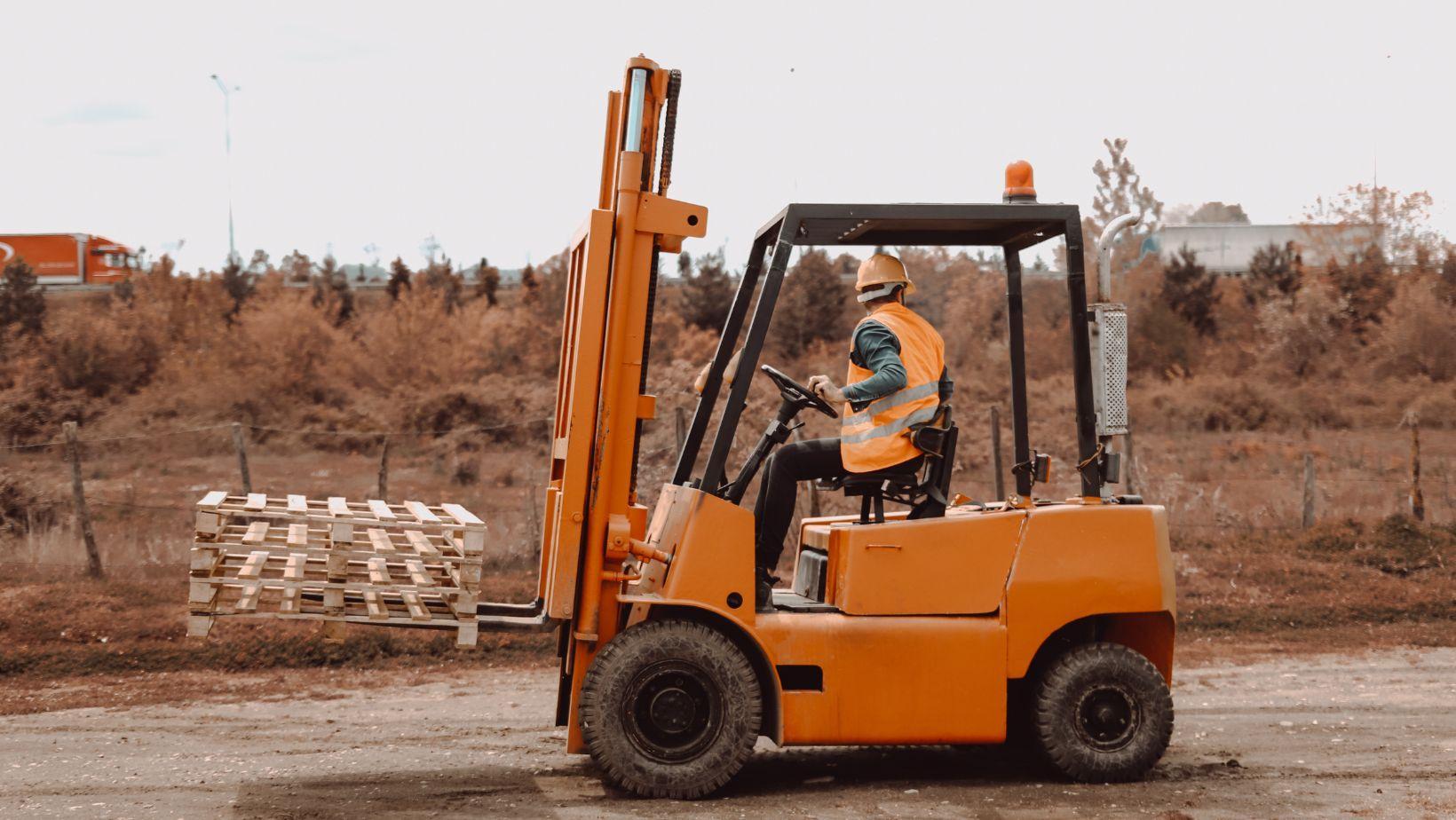
Forklift accidents are more common than many business owners realize, and they often happen in fast-moving environments where safety routines start to slip. Whether it’s a crowded warehouse, a busy loading dock, or a construction site with changing conditions, a single mistake can lead to serious injuries, damaged inventory, and costly downtime.
Understanding how these accidents happen is the first step toward preventing them and creating a safer workplace for everyone involved.
The Most Common Causes of Forklift Accidents
While every workplace is different, forklift accidents usually stem from a predictable set of issues:
-
Inadequate or outdated operator training
-
Poor equipment maintenance or skipped inspections
-
Congested or poorly designed workspaces
-
Excessive speed or unstable loads
-
Lack of communication between operators and pedestrians
Addressing these causes doesn’t require overhauling your entire operation. It does, however, require intentional systems and consistent follow-through.
Why Forklift Accidents Happen So Often
Forklifts operate in environments that are constantly changing. Think about it: Pallets are always moving, aisles get crowded, lighting conditions shift, etc. Plus, you have workers on foot and equipment operators sharing the same space. In these conditions, even the most experienced operators can make mistakes if the system around them isn’t designed for safety.
Many forklift accidents aren’t caused by reckless behavior. They’re caused by complacency. When a task becomes routine, people stop thinking critically about risk. That’s when loads are lifted too high or safety checks are skipped because “nothing ever happens.”
Operator Training as the Foundation of Safety
Operator error is one of the leading causes of forklift accidents, and it often traces back to insufficient or outdated training. Forklifts may look simple to operate, but they behave very differently from other vehicles. Weight distribution, load height, turning radius, and braking all change depending on conditions.
With the proper training, you can ensure operators understand how forklifts respond under different loads and surfaces. This will also reinforce safe habits, such as maintaining clear visibility, traveling at appropriate speeds, and keeping loads stable.
When it comes to training, accessible certification matters. Services like CertifyMe.net offer same-day OSHA-compliant forklift certification with instant proof of certification and free three-year renewals. Making certification easy removes excuses and helps ensure every operator meets safety standards without slowing down operations.
Equipment Maintenance Is Often Overlooked Until It’s Too Late
Let’s be honest, forklifts take a real beating. Tires wear down, brakes degrade, hydraulics loosen, and warning systems fail over time. You can’t afford to let your maintenance be reactive. If you do, you’ll always be playing catch-up.
The more proactive you can be with your approach, the better it’s going to be for everyone. Daily inspections are typically able to catch most issues before they escalate. Make a habit of encouraging your operators to report problems without fear of pushback. When they take this approach, safety improves dramatically. Interestingly enough, so does productivity.
Site Layout Plays a Bigger Role Than You Think
Think about the layout of your warehouse. It doesn’t matter who is operating your forklifts, if the layout isn’t designed with forklift traffic in mind, things are going to get dicey.
Pedestrian traffic is another major factor. When workers on foot share space with forklifts without clear separation, accidents become way more likely. People may step into forklift paths without realizing it, especially in loud or crowded environments.
Clear traffic patterns, marked walkways, mirrors at intersections, and designated loading zones can all help reduce confusion and risk. Do your best to prioritize these sorts of things.
Communication Breakdowns Create Hidden Danger
Forklift accidents often occur because people assume others know what they’re doing – e.g. an operator assumes a pedestrian sees them, or a worker assumes a forklift will stop.
Clear communication eliminates guesswork. This might include a combination of audible warnings, visual signals, and standardized procedures. So does training employees — not just operators — on how to behave safely around forklifts.
As a general rule of thumb, remember that everyone in the warehouse contributes to risk or prevention based on how well expectations are communicated. It’s your job to relay the right messages and warnings.
Accountability Improves Compliance Without Creating Fear
One of the most effective ways to prevent forklift accidents is to create accountability without intimidation. When employees feel punished for reporting mistakes or near-misses, hazards go unreported. Unfortunately, that silence allows small problems to grow into serious incidents.
Accountability works best when it’s paired with education. If someone violates a safety procedure, the response should focus on why it happened and how to prevent it next time. Consistent enforcement of rules, paired with regular reminders and refreshers, reinforces that safety isn’t optional.
Prevention Is Cheaper Than Recovery
Forklift accidents carry real costs. (There’s workers’ compensation claims, lost productivity, potential legal exposure, damaged inventory, etc.) The last thing you can afford to do is wait for something to happen.
Preventive measures cost far less than recovering from an accident. Training programs, maintenance schedules, and thoughtful layout design all pay for themselves by reducing incidents and keeping operations running smoothly.
Safety Is a Process, Not a One-Time Fix
Preventing forklift accidents isn’t about checking a box. It’s an ongoing process that evolves with your business. Forklifts will always carry risk, but that risk can be managed by focusing on aspects like training, maintenance, layout, and accountability. Now’s the time to make it a priority for your warehouse!

