
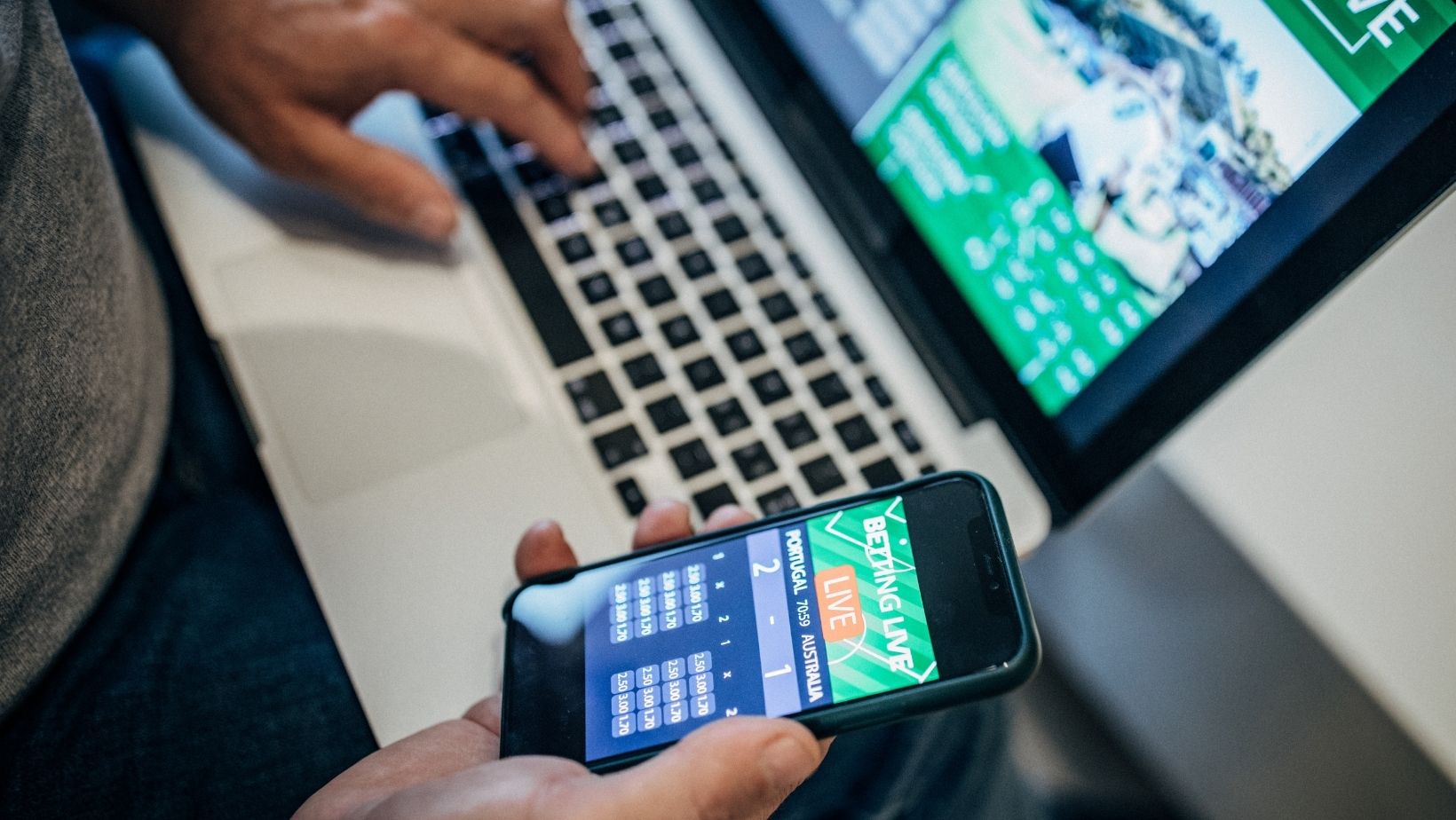
If you follow a match now with a betting platform open at the same time, the difference isn’t really in what’s available, because most of that has been around for a while, it’s more in how everything seems to sit alongside the game without waiting for it. It used to feel like something separate, something you checked every so often, but now it doesn’t really work like that, it’s just there, moving with the game rather than after it.
Once things get going, there’s already a steady flow of updates coming through, and you don’t always notice it directly, but you do notice when it slips, even slightly. Sports platforms built around betway betting depend on that timing more than anything else, because if what you see doesn’t quite match the moment you’re watching, it throws the whole thing off in a way that’s hard to ignore once it happens.
It Ends Up Being About Timing More Than Features
What becomes clear after a bit is that speed isn’t just part of the experience, it’s the thing everything else depends on, because the useful moments don’t stay open for long, sometimes only a few seconds, and if the system doesn’t keep up, the whole thing starts to feel like it’s lagging behind even when it technically isn’t.
The tech behind it isn’t really trying to add more on top, it’s more about keeping things moving without interruption, which is why most systems work through smaller updates rather than larger ones, just to keep everything from slowing down or bunching up.
Most of the Work Happens Out of View
A lot of what makes it feel smooth is happening somewhere in the background, and you don’t really stop to think about it when everything’s working the way it should, because one update just rolls into the next without you noticing where one ends and the other begins. In sports betting especially, where everything shifts with the pace of the match, that steady flow matters more than anything, and on platforms like betway it’s usually that quiet consistency that keeps everything feeling connected rather than slightly behind, which is when you’d start to notice it.

It mostly comes down to how data is handled, not sent all at once, but in smaller pieces that move quickly enough to stay aligned, which matters more here than it might in other types of platforms.
Mobile Changed the Way It Sits
The shift to mobile probably changed the feel of it more than anything else, because once everything moved onto phones, the expectation changed without anyone really calling it out. You’re not sitting with it in the same way, you’re dipping in, checking something, reacting, and then moving on again, and the system has to match that without slowing you down.
On platforms like betway, that shows up in how little stands between you and what’s happening, and how quickly everything responds once you’re already in it, which makes it feel more connected to the match rather than something separate from it.
Why It Just Feels Normal Now
After a while, it stops standing out: you open the platform, follow the game, and everything keeps up in a way that feels expected, even though there’s quite a bit happening underneath to make that work.
In the end, speed isn’t really something you think about directly, but once it’s there, everything else leans on it, and that’s what shapes the experience more than anything else now.

