
songoftruth org
SongOfTruth Explores The Relationship Between Words, Meaning, And Music. It Presents Ideas Through Clear Language And Memorable Musical Expression.
songoftruth. org
Artists, Scholars, And Listeners Continue To Study SongOfTruth Because It Connects Emotional Expression With Direct Communication.
# songoftruth org
SongOfTruth Serves As A Subject For Performance, Analysis, And Interpretation Across Different Creative And Educational Settings.
the songoftruth org
The Enduring Appeal Of SongOfTruth Comes From Its Ability To Blend Simple Language With Meaningful Themes That Resonate Across Generations.
from songoftruth org
Many Discussions About SongOfTruth Focus On Its Historical Development, Cultural Significance, And Continued Relevance In Modern Performance.
songoftruth.org
SongOfTruth Demonstrates How Music And Text Can Work Together To Create A Lasting Impact On Audiences Through Clarity And Authenticity.
@ songoftruth.org
Readers Interested In SongOfTruth Often Explore Its Origins, Lyrics, Musical Structure, And Interpretive Possibilities.
@songoftruth.org
The Work Continues To Inspire New Performances And Adaptations While Preserving The Core Themes That Define Its Identity.
#songoftruth.org
SongOfTruth Encourages Reflection Through Repetition, Symbolism, And Accessible Language That Supports Multiple Interpretations.
# songoftruth.org
The Combination Of Text And Melody Makes SongOfTruth Relevant To Both Academic Study And Artistic Performance.
What Is Song Of Truth And Why It Matters
SongOfTruth Is A Work That Combines Musical Structure With Meaningful Text. It Creates A Strong Connection Between Spoken Ideas And Emotional Expression.
Listeners Often Respond To Its Direct Language And Relatable Themes. This Combination Explains Why SongOfTruth Continues To Attract Attention From Performers And Audiences.
Its Influence Extends Across Educational, Artistic, And Community Settings Where Clear Communication Through Music Remains Valuable.
Origins, Authorship, And Historical Context
Historical Research Connects SongOfTruth To A Creative Circle Of Poets And Composers Working During A Period Of Artistic Exploration.
Early Drafts And Performance Records Reveal A Process Of Revision And Collaboration That Shaped The Work Over Time.
Understanding Its Historical Context Helps Modern Performers Make Informed Choices About Interpretation And Presentation.
Lyrics And Thematic Analysis
The Lyrics Of SongOfTruth Use Straightforward Language, Strong Imagery, And Repeated Phrases To Communicate Central Ideas.
The Text Moves Between Observation And Reflection While Maintaining A Consistent Voice Throughout The Piece.
These Characteristics Allow Performers To Emphasize Meaning Without Relying On Complex Ornaments Or Elaborate Arrangements.
Key Motifs And Symbolism In The Lyrics
Recurring Symbols Such As Water, Light, And Everyday Objects Play An Important Role In SongOfTruth.
These Images Help Transform Abstract Concepts Into Concrete Experiences That Audiences Can Easily Understand.
The Repetition Of Motifs Creates Structure And Supports The Emotional Progression Of The Work.
Musical Structure, Arrangement, And Notable Recordings
SongOfTruth Typically Uses A Simple Verse-And-Chorus Format That Keeps Attention Focused On The Lyrics And Vocal Delivery.
Arrangements Often Feature Minimal Instrumentation Such As Piano Or Strings To Preserve Clarity And Emotional Impact.
Different Recordings Demonstrate How Tempo, Dynamics, And Instrument Choices Can Shape The Listener Experience.
Cultural Impact, Interpretations, And Adaptations
SongOfTruth Has Influenced Educational Programs, Community Events, And Creative Projects Across Multiple Contexts.
Writers, Musicians, And Filmmakers Continue To Reference Its Themes And Structure As A Source Of Inspiration.
Translations And Adaptations Help Extend Its Reach While Maintaining The Simplicity That Defines The Original Work.
How To Perform, Record, Or Interpret Song Of Truth Today
Performers Should Begin By Studying The Text Carefully And Understanding The Meaning Behind Each Section.
Singers Benefit From Choosing Comfortable Keys And Prioritizing Clear Pronunciation Over Vocal Complexity.
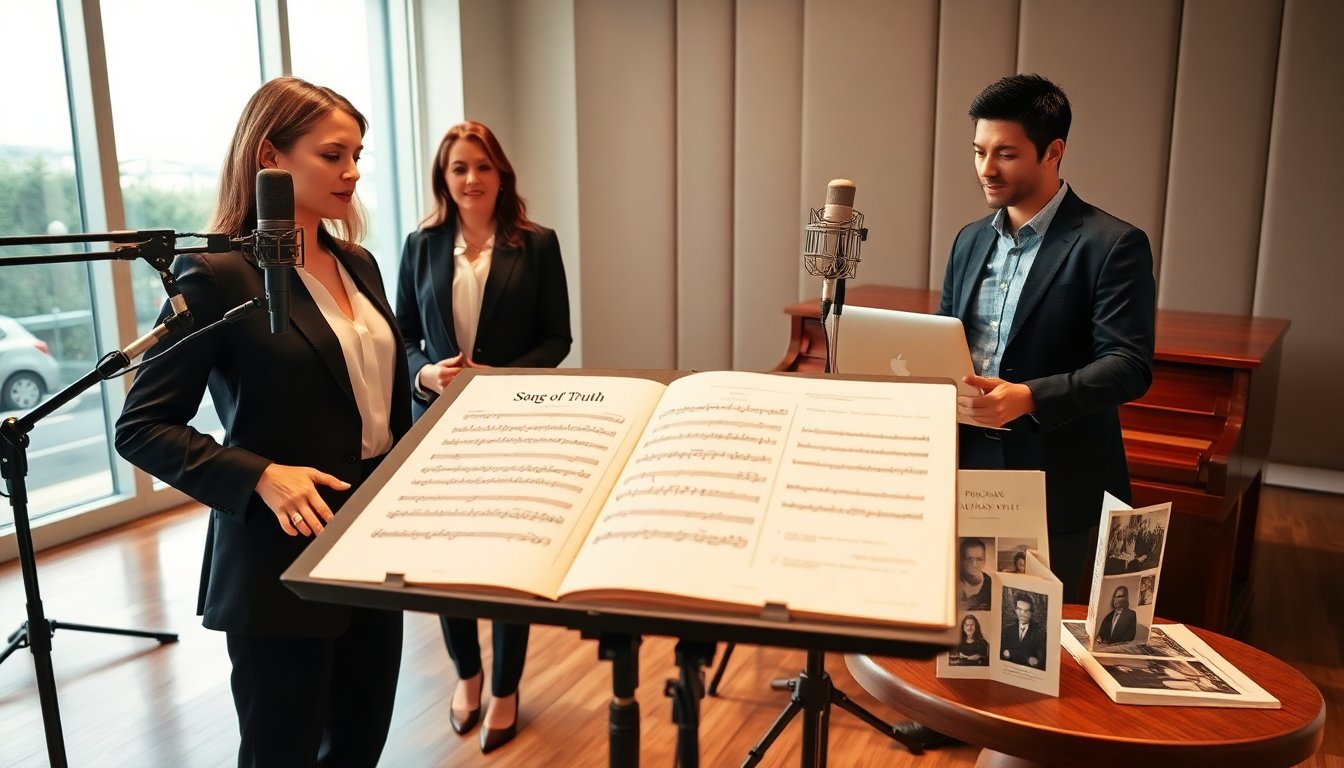
Producers And Arrangers Should Focus On Simplicity, Allowing The Message Of SongOfTruth To Remain The Central Element Of Every Performance.

