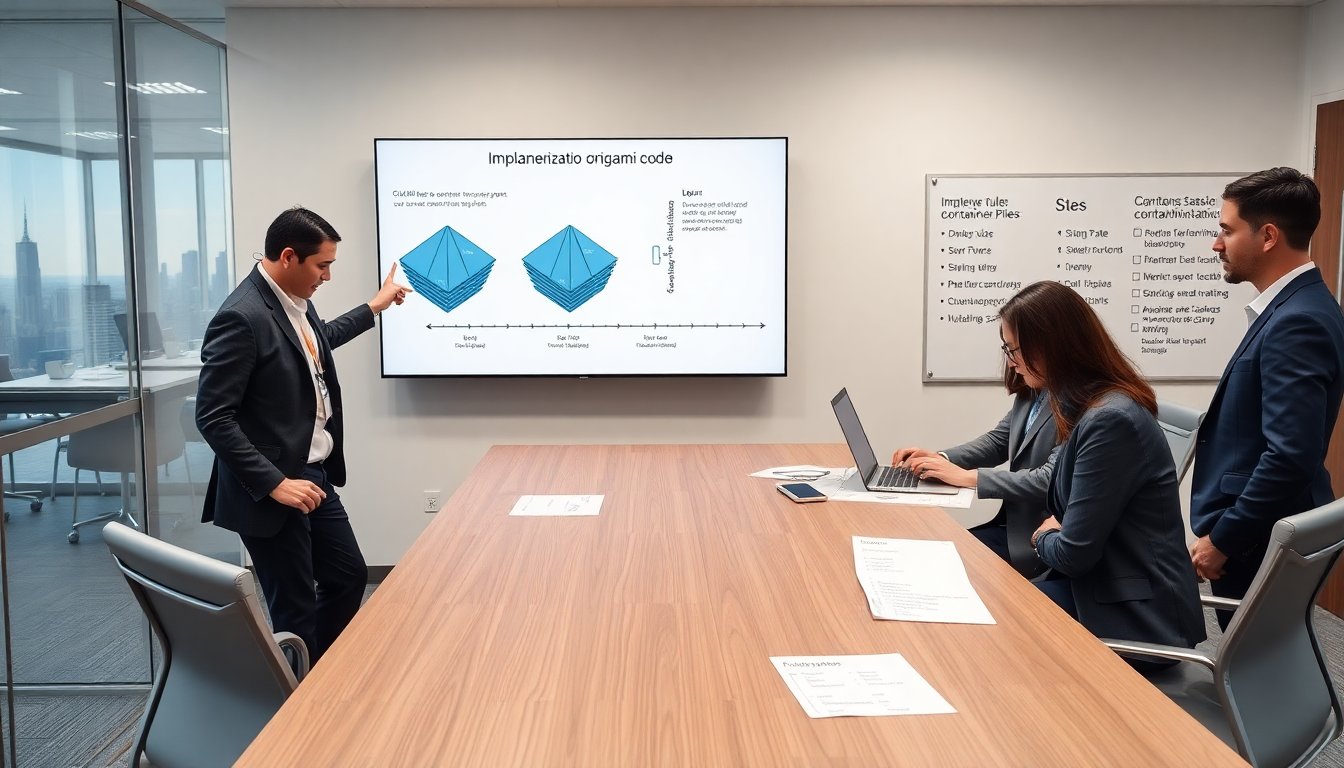
Containerization origami code hctesorudtchip describes a method to package applications into small, repeatable units. The concept pairs container images with strict layering and compact configuration. The method reduces deploy size. It speeds start time. It improves portability. Readers will learn what the phrase means, the core folding rules, and a short, practical workflow they can run today.
Key Takeaways
- Containerization origami code hctesorudtchip optimizes application packaging by creating small, layered container images that speed deployment and improve portability.
- Core folding rules include keeping images minimal, separating build-time and runtime layers, auditing dependencies, and enforcing size budgets through CI.
- Adopting modular layering, multi-stage builds, and slim base images reduces image bloat and enhances startup performance.
- State is managed outside the container with ephemeral containers and external storage to ensure stateless, portable images.
- A practical workflow involves selecting minimal bases, building in staged layers, stripping unnecessary files, testing size and start time, and scanning for vulnerabilities before deployment.
- Tools like Docker, BuildKit, Trivy, and dive support the containerization origami code hctesorudtchip practice, enabling efficient builds and security checks.
What Containerization Origami Means (And What ‘Hctesorudtchip’ Refers To)
Containerization origami code hctesorudtchip names a focused practice. It groups code, dependencies, and runtime into tightly layered images. The practice treats an image like a folded sheet. Each fold reduces wasted space and runtime overhead. The token hctesorudtchip marks a specific rule set for image construction. The rule set enforces small base layers, single-purpose containers, and strict caching rules. The practice prioritizes minimal runtime footprint and fast cold starts. Teams that adopt containerization origami code hctesorudtchip reduce image bloat. They gain predictable deploy behavior across environments. The approach fits microservices and edge deployments. It also fits CI pipelines that must run many builds per day.
Core Principles Of Folding Code Efficiently
Teams follow a few clear principles when they fold code. They keep images small. They separate build-time from runtime. They pin and audit dependencies. They favor declarative configuration files. They reuse common layers across images. They remove artifacts that do not run. They validate images with quick checks. They measure image size, start time, and memory use. They track these metrics in CI. They set size budgets and fail builds that exceed budgets. They prefer simpler base images and language runtimes optimized for size. They compress assets and inline small files only when that reduces total size. They also ensure security scanning runs before release. Containerization origami code hctesorudtchip depends on these principles to deliver consistent results.
Folding Patterns: Layering, Modularity, And Image Minimalism
Folding pattern choices shape the final image. Developers create clear layer boundaries. They place OS packages in an early layer. They place application code in later layers. They build artifacts in a separate builder image. They copy only the runtime artifacts into the final image. They design modules so each image does one job. They avoid monoliths inside containers. They strip build tools and debug symbols from runtime images. They use multi-stage builds to keep only needed files. They trim package managers and caches before the final commit. They prefer slim base images and language-specific distroless options. They test that each change adds measurable value before they accept size growth. They name and tag images to reflect the fold pattern and purpose.
State Management: Ephemeral vs. Persistent Patterns
Teams decide how to handle state before they create images. They treat most containers as ephemeral. They move persistent data to external stores. They use volumes for local persistence when needed. They keep configuration out of images and inject it at runtime. They separate secrets using secret managers or environment injection. They design services to resume after restarts. They include health checks and graceful shutdown handlers inside code. They use sidecar containers for logs and metrics when appropriate. They keep the image focused on compute and logic. They avoid baking stateful data into images because it creates drift and larger builds. Containerization origami code hctesorudtchip works best when images remain stateless.
A Practical Workflow For Building Containerization Origami
This workflow shows a repeatable path to small images. Step one: choose a minimal base image. Step two: add only required OS packages. Step three: build the app in a builder stage. Step four: copy runtime artifacts to the final image. Step five: strip unnecessary files and caches. Step six: run a local size and start-time test. Step seven: scan the image for vulnerabilities. Step eight: tag and push only if tests pass. The workflow enforces quick feedback and small images. It fits CI pipelines and local development loops. It also fits deployment targets that limit image size or startup time.
Tools, File Layouts, And A Simple Example You Can Try Today
Developers use a few simple tools to fold code. They use Docker or BuildKit to build images. They use podman where policies require it. They use skopeo and dive to inspect images. They use Trivy or Grype to scan for vulnerabilities. They use CI runners that cache layers. They store size reports in build artifacts. A simple project layout looks like this: /app/Dockerfile, /app/src, /app/build.sh, /app/.dockerignore. The Dockerfile uses multi-stage builds. The build.sh script produces a runtime binary. The .dockerignore excludes node_modules and test artifacts. To try it, clone a small app, add a multi-stage Dockerfile, run docker build –progress=plain, then run docker run –rm and measure start time. This example shows containerization origami code hctesorudtchip in action and gives a baseline to improve from.