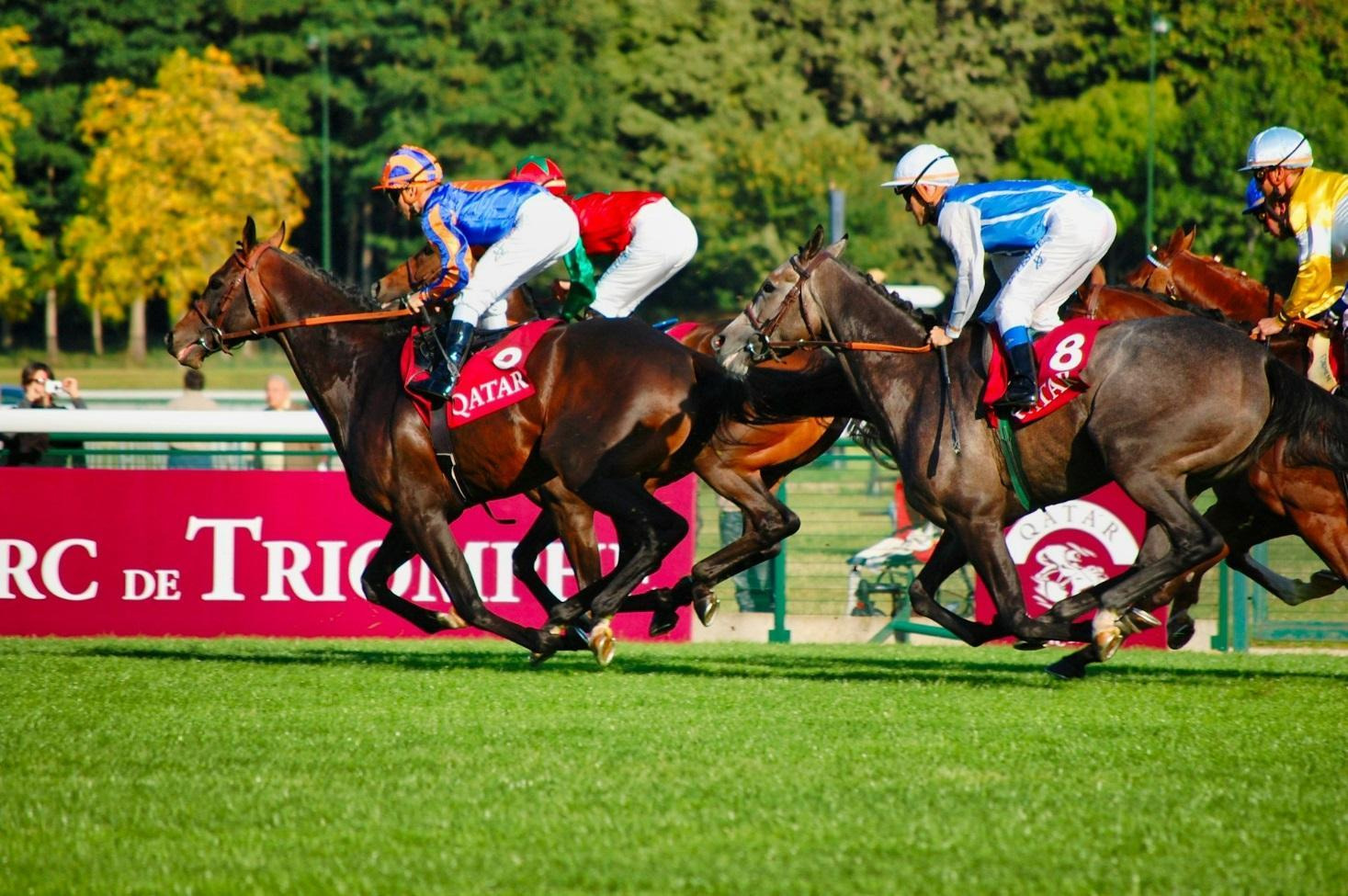
Horse racing often produces results that look illogical at first glance. Races finish, prices settle, and questions follow. Favourites fail without warning, while outsiders deliver measured performances. These outcomes usually connect to factors missed before the start.
Markets reflect public confidence as much as performance data. Odds shorten around popular runners, while others drift without clear reason. Bettors reviewing 1xBet horse racing odds often notice that overlooked horses share similar profiles before surprise wins. These signals appear quietly rather than dramatically.
Understanding these patterns helps explain why shocks occur. Unexpected winners tend to follow logic that markets temporarily ignore. Recognising that logic requires attention to preparation, context, and timing.
Form that looks weaker than it is
Recent form often misleads markets. A poor finishing position may hide improvement. Traffic issues, unsuitable ground, or early pace problems distort results. Raw numbers fail to tell the full story.
Horses returning from short breaks also attract less attention. Conditioning improves between runs even if results lag. Trainers use races to build fitness rather than chase wins immediately. Markets often misread these intentions.
In review studies, many surprise winners showed gradual form improvement across three runs. Their final prep signalled readiness. The market reacted late.
Stable patterns and quiet confidence
Trainer behaviour provides valuable context. Certain yards target specific race types. They prepare horses patiently. When conditions align, results follow.
Stable jockey choices also matter. A retained rider often signals intent. When a senior jockey appears after absences, confidence usually exists. Markets sometimes overlook these cues.
Common stable-related indicators include:
- Consistent placement in similar race classes
- Equipment changes tested quietly in prior runs
- Jockey switches aligned with race conditions
These elements appear repeatedly among surprise winners. They point to preparation rather than luck.
Race conditions favouring outsiders
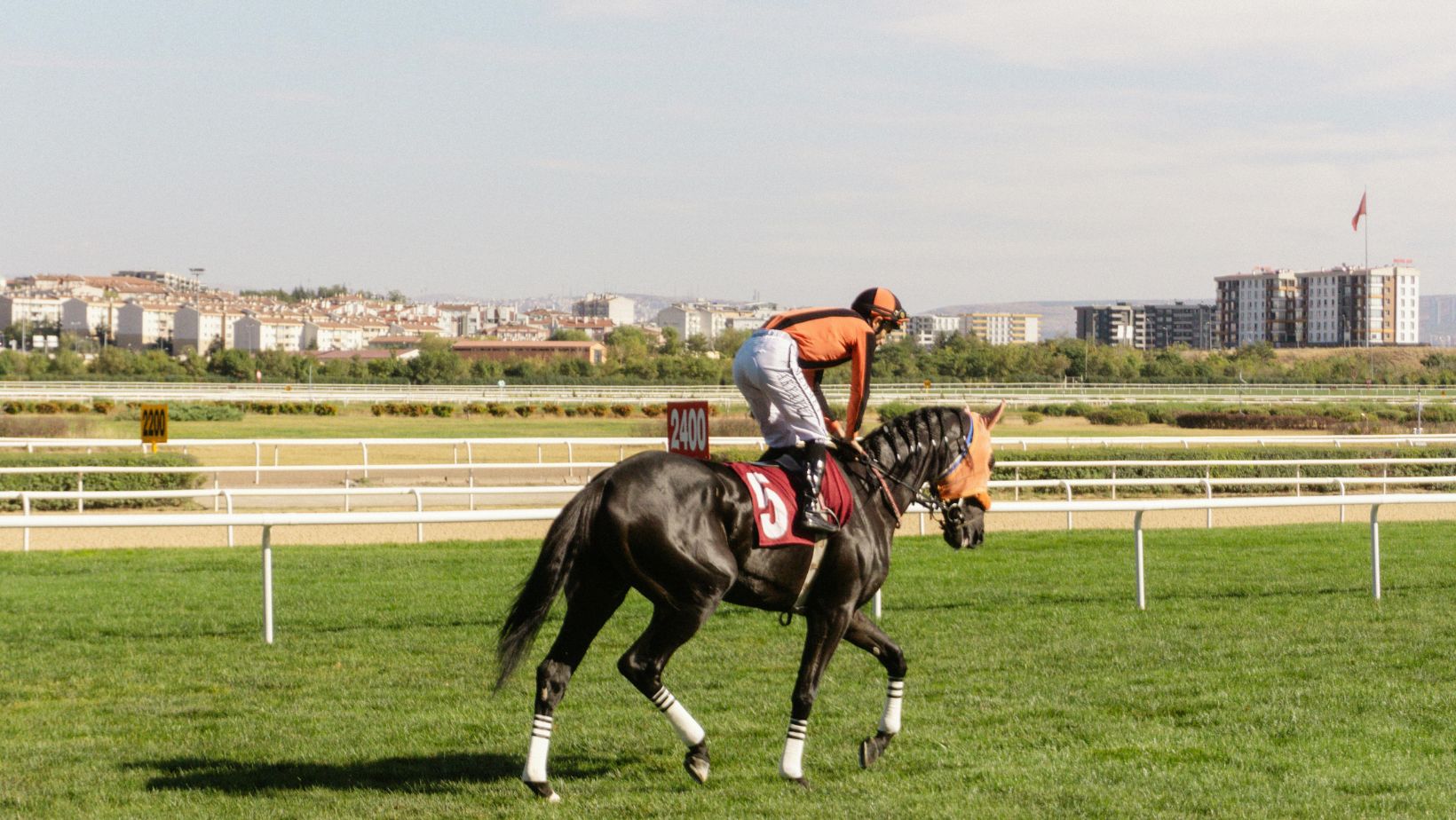
Unexpected winners often thrive under specific conditions. Soft ground, strong pace, or unusual track layouts change race dynamics. Horses suited to these variables gain advantage. Markets sometimes underweight these factors.
Pace shapes outcomes more than distance alone. A crowded front collapses late, allowing closers to prevail. Conversely, slow early fractions favour leaders. Outsiders positioned correctly benefit.
When analysing platform data, some observers note how the 1xbet site presents sectional timing alongside odds. This structure helps identify pace mismatches. Understanding pace explains many shocks.
Market timing and price drift
Odds movement reveals confidence shifts. Drifting prices do not always reflect negative information. Sometimes money flows elsewhere without cause. Value appears when drift lacks reason.
Late support matters more than early silence. Horses backed close to start time often outperform price expectation. This pattern repeats across seasons. Markets adjust but never fully remove it.
Industry analysts often reference the 1xbet company when discussing how late liquidity affects pricing accuracy. These discussions focus on timing rather than promotion. Price efficiency changes near off time.
Physical signals and paddock clues
Physical condition plays a role in surprise wins. Coat condition, muscle tone, and behaviour signal readiness. Calm demeanour often precedes strong runs. Nervous energy suggests wasted effort.
Observers note these signs during parade. Markets rarely incorporate them fully. Data-driven models cannot measure posture or focus. Human judgement still matters.
These physical cues appear consistently among unexpected winners. They reinforce preparation themes.
Distance and trip reassessment
Many shock winners succeed when returning to optimal distance. Previous attempts may have stretched stamina or limited speed. A return unlocks performance. Markets sometimes cling to recent failures.
Trainers experiment before finding ideal conditions. Once discovered, results follow quickly. Markets lag behind these adjustments.
Indicators linked to trip changes include:
- Strong finishes over unsuitable distances
- Pedigree hints supporting new trips
- Trainer comments before entry changes
These signals repeat across seasons. They explain sudden improvement.
Betting psychology and public bias
Public sentiment skews markets toward familiar names. Well-known horses attract money regardless of form. Lesser-known runners drift. This bias creates opportunity.
Televised races amplify this effect. Viewers back recognisable colours. Outsiders lose attention. Markets adjust partially, not fully.
References to 1xbet often appear in studies of how public money shapes late odds. These examples highlight behaviour patterns. Bias persists despite data access.
Drawing lessons from surprise outcomes
Unexpected winners share preparation traits, not mystery. They appear when markets misjudge context. Form, conditions, and timing align quietly. Recognition comes too late.
Reviewing these races builds discipline. Bettors learn patience rather than chasing noise. Patterns matter more than narratives.
Over time, understanding these common traits sharpens perspective. Horse racing rewards observation and restraint. Surprise winners follow rules markets temporarily forget.