
When leg pain, visible spider veins, or swelling begin to interfere with daily life, finding a vein specialist focused on comfort, care, and results makes all the difference. Many patients want effective treatment without a hospital stay, minimal downtime, and clear expectations about recovery. Practices such as Metro Vein Centers highlight what separates vein specialists from general practitioners: advanced diagnostic imaging, minimally invasive treatment options, and care models designed around patient comfort. This article explains the common vein conditions specialists treat, how problems are accurately diagnosed, the modern procedures available, and what patients can expect before, during, and after care. It also outlines practical questions to ask and the credentials and clinic features that signal trustworthy, results-driven vein care.
What Makes a Vein Specialist Different
A vein specialist, often a vascular surgeon, interventional radiologist, or phlebologist, focuses specifically on venous disorders rather than the broad spectrum of cardiovascular disease. That specialization translates into deeper knowledge of venous anatomy, the latest diagnostic imaging, and procedural techniques designed to reduce discomfort and deliver durable results.
Unlike a generalist who might offer conservative advice, a vein specialist evaluates both the visible symptoms and the underlying venous insufficiency that drives them. They combine ultrasonography skills with procedural experience to offer targeted, minimally invasive options like endovenous ablation, ultrasound-guided sclerotherapy, and microphlebectomy. Because many venous conditions are chronic and progressive, specialists also emphasize long-term care: compression strategies, lifestyle guidance, and follow-up imaging to prevent recurrence.
What patients should expect from a true specialist is a comprehensive plan that treats symptoms while addressing root causes.
Common Vein Conditions Treated
Patients see vein specialists for a range of conditions, from cosmetic concerns to medically significant disease:
- Chronic Venous Insufficiency (CVI): When valves in the leg veins fail, blood pools and causes swelling, aching, skin changes, and, in advanced cases, venous ulcers. CVI is a common reason for referral.
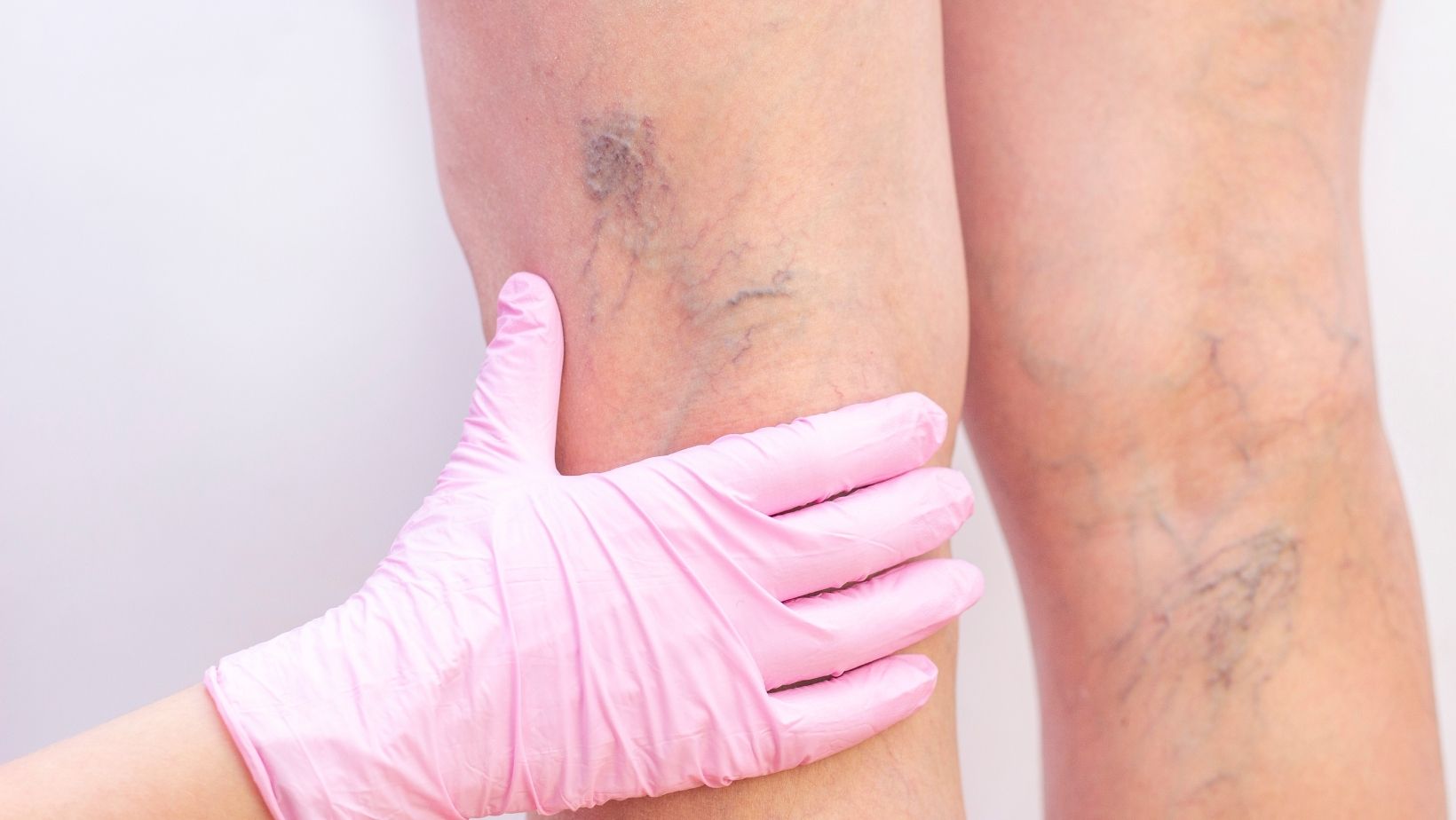
- Varicose Veins: Bulging, rope-like veins that cause aching, heaviness, and sometimes bleeding. Varicose veins are visible and symptomatic, and they often reflect underlying reflux in deeper veins.
- Spider Veins: Smaller, web-like vessels that are usually a cosmetic concern but can also cause localized discomfort or itching.
- Deep Vein Thrombosis (DVT): Blood clots in deep veins are a medical emergency; a vein specialist coordinates anticoagulation therapy and evaluates clot-related complications such as post-thrombotic syndrome.
- Venous Ulcers and Skin Changes: Long-standing venous hypertension can cause darkened skin, lipodermatosclerosis, and open ulcers that require both wound care and correction of the underlying venous problem.
Because the symptoms overlap with other conditions, such as arthritis, nerve pain, or arterial disease, accurate diagnosis is essential. Specialists recognize when venous disease is the driver and when a referral to another discipline is necessary.
How Vein Specialists Diagnose Vein Problems
Diagnosis begins with a targeted history and physical exam focused on symptom patterns, risk factors, and prior treatments. Key pieces of information include:
- Symptom timing: Do symptoms worsen with standing and improve with elevation?
- Family and personal history of venous disease or clotting disorders
- Prior leg trauma, pregnancy history, and occupational risk factors
Ultrasound, specifically duplex venous ultrasonography, is the diagnostic cornerstone. It maps reflux (backward blood flow), measures vein diameter, and detects thrombus. In selected cases, specialists may use venography, MR venography, or CT venography to evaluate complex pelvic or iliac vein disease. A thoughtful diagnostic approach prevents unnecessary procedures and targets therapy toward the specific anatomy causing symptoms.
Advanced Minimally Invasive Treatments and What to Expect
Vein care has shifted from large incisions to catheter-based, image-guided procedures that are performed under local anesthesia or light sedation. These treatments offer excellent results with shorter recovery and less pain than traditional surgery.
Key Procedures Explained
- Endovenous Thermal Ablation (Radiofrequency or Laser): A thin catheter delivers heat along the incompetent vein, closing it so blood reroutes to healthy channels. Success rates are high, and complications are uncommon when performed by experienced specialists.
- Chemical Ablation (Sclerotherapy): A sclerosant is injected into spider veins or small varicosities, causing them to scar and fade. Ultrasound-guided foam sclerotherapy can treat larger refluxing veins.
- Ambulatory Phlebectomy (Microphlebectomy): Tiny incisions allow removal of bulging varicose veins under local anesthesia. It’s effective for surface varicosities that persist after ablation.
- Venous Stenting: For obstructive disease in the iliac or pelvic veins, endovascular stents restore flow and relieve swelling and pain.
Preparing for Treatment and the Typical Visit Flow
On treatment day, patients usually arrive for an outpatient procedure. The clinic confirms imaging, reviews consent, and marks target veins. Local anesthesia plus mild sedation is typical: the specialist performs the procedure while an ultrasound guides catheter placement. Most interventions take 30–90 minutes. After a brief observation period, patients walk and are fitted with compression stockings. They typically go home the same day and can resume light activity almost immediately: driving home is often allowed.
The specialist provides explicit postprocedure instructions, schedules a follow-up ultrasound to confirm closure, and outlines a graduated return-to-activity plan. That continuity of care, immediate treatment, same-day discharge, and scheduled follow-up is what distinguishes high-quality vein centers.
Comfort, Pain Management, and Recovery Best Practices
Minimally invasive techniques dramatically reduce pain and recovery time, but sound pain-management and recovery practices make the difference between an acceptable outcome and an excellent patient experience.
Postprocedural Recovery Timeline and At-Home Care
Recovery is staged but generally fast:
- Day 0–2: Mild soreness, tightness, or bruising. Walking is encouraged: extended standing or heavy lifting is avoided.
- Week 1–2: Bruising and tenderness subside. Compression stockings are worn as directed, often during waking hours, for one to two weeks.
- Weeks 4–12: Swelling continues to improve: lighter exercise resumes. A follow-up duplex ultrasound usually confirms successful closure by 4–6 weeks.
At-home care focuses on ambulation, elevation when possible, hydration, and avoiding prolonged immobility during travel. Cooling packs for discomfort and OTC analgesics like acetaminophen are commonly sufficient.
Managing Pain, Scarring, and Return to Activity
Pain after endovenous procedures is typically mild and manageable. Specialists use local anesthetic blocks and careful technique to minimize nerve irritation. Scarring is minimal with microphlebectomy and virtually absent with endovenous ablation. Return-to-work timelines are short: many patients resume desk work within 24–48 hours and return to more strenuous activity over two to four weeks based on symptoms.
Costs, Insurance, and Value: Balancing Results with Budget
Costs vary by procedure, anatomy, and region. Many insurers cover treatment for symptomatic varicose veins or documented chronic venous insufficiency when conservative measures have failed. Cosmetic-only treatments for spider veins may be an out-of-pocket expense. A reputable specialist provides transparent pricing, preauthorization support for insurance claims, and a clear outline of what’s medically necessary versus elective. When assessing value, patients should weigh the durable symptom relief, reduced risk of complications (like ulcers or thrombosis), and improved quality of life, not just the upfront cost.
Choosing the Right Vein Specialist for Your Needs
Selecting the right specialist requires balancing credentials, experience, and the clinic’s approach to patient comfort and outcomes.
Questions to Ask During a Consultation
- What is the underlying cause of my symptoms? Can I see my ultrasound images?
- Which treatments do you recommend and why? What are the alternatives?
- What are the success rates and possible complications for the proposed procedure?
- What should I expect on the day of treatment and during recovery? Who will be my point of contact for concerns?
- How will insurance be handled, and what out-of-pocket costs should I expect?
A good specialist answers these directly, shows the imaging, and lays out a realistic timeline.
Credentials, Experience, and Clinic Environment to Look For
Look for board certification in vascular surgery, interventional radiology, or phlebology: membership in professional societies (such as the American College of Phlebology or Society for Vascular Surgery) is a plus. Experience with office-based ultrasound, high procedural volume, and transparent outcome tracking correlates with better results. Clinic features that matter include onsite duplex ultrasound, certified staff, sterile procedure rooms designed for outpatient care, and clear protocols for emergencies.
When to Seek Immediate Care Versus Routine Evaluation
Immediate evaluation is warranted for sudden leg swelling, acute pain, or signs of DVT (warmth, redness, rapid swelling). Otherwise, routine evaluation suits progressive symptoms such as chronic pain, visible varicosities, or skin changes. Early specialist input prevents progression and complications and often allows for less invasive treatment.
Conclusion
A vein specialist focused on comfort, care, and results combines precise diagnosis, minimally invasive procedures, and attentive follow-up to improve symptoms and reduce long-term complications. Patients benefit most when specialists align treatment plans with individual goals, whether that’s pain relief, faster recovery, or cosmetic improvement, and provide clear expectations about outcomes and costs. For anyone facing venous symptoms, an informed conversation with a qualified specialist is the first step toward relief and durable results.

