
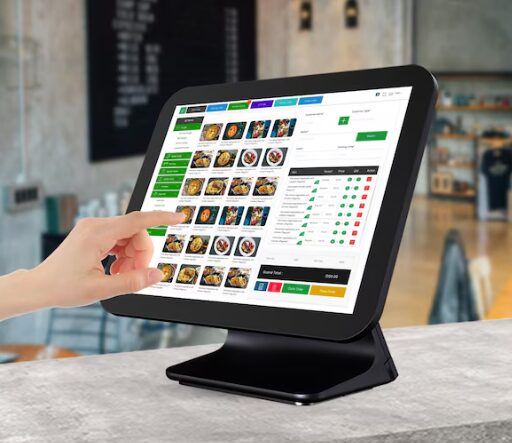
Restaurant POS systems have changed a lot over the last decade. Instead of relying on bulky servers and manual software updates, many restaurants now use cloud-based platforms that can manage orders, payments, and reporting from a centralized system.
For restaurant operators, this shift is not just about using newer technology. It is about improving speed, visibility, and operational control, especially when running multiple locations or high-volume service channels.
To understand why cloud POS is becoming the new standard, it helps to know what it actually is and how it works behind the scenes.
What Is A Cloud-Based Restaurant POS?
A cloud-based restaurant POS is a point-of-sale platform that stores and processes key operational data through cloud infrastructure rather than relying entirely on an on-site server.
In a traditional POS setup, a restaurant may have a local server in the building that handles transactions, menu data, and reporting. In a cloud setup, much of that work is handled through secure remote servers. This means restaurant teams can access their POS data from anywhere, as long as they have authorized login access.
A modern cloud based pos is designed to do far more than process payments. It also supports centralized menu control, real-time reporting, multi-location management, and integration with kitchen and drive-thru tools.
How Cloud POS Works During A Transaction
From the staff perspective, a cloud POS feels simple. A cashier taps menu items, confirms modifiers, and processes payment. But behind the scenes, several processes happen quickly and simultaneously.
When an order is entered, the POS pulls menu data from a centralized database. Once the order is confirmed, the system logs the transaction, updates sales reporting, and sends the order details to the kitchen. If the restaurant is operating multiple locations, the same data structure applies across all stores, keeping reporting consistent.
When payment is processed, the POS communicates with the payment processor through encrypted channels. The transaction is then recorded and reflected in reporting dashboards.
How Cloud POS Supports Multi-Location Restaurants
One of the biggest advantages of cloud-based POS platforms is centralized management. Instead of each store operating as its own isolated system, cloud platforms allow restaurant groups to manage everything from one place.
This includes menus, pricing, promotions, user permissions, and reporting structures. When a change is made, it can be deployed across all locations without needing staff at each store to manually update the system.
For growing brands, this reduces operational inconsistency and makes scaling much smoother.
How Cloud POS Connects With Kitchen Operations
A POS system is only as effective as the workflow it supports. In most restaurants, the kitchen is where service speed and guest satisfaction are won or lost.
Cloud POS platforms often integrate directly with a kds system, which replaces paper tickets with digital kitchen screens. When an order is placed at the register, kiosk, or online channel, it appears instantly on the kitchen display.
This improves clarity and reduces mistakes, especially for complex orders with modifiers. Kitchen teams can also track timing and manage prep flow more efficiently, which is valuable for high-volume restaurants.
Because cloud systems sync menu updates in real time, any change made at the POS level is reflected immediately in the kitchen display workflow as well.
How Cloud POS Supports Drive-Thru Service
Drive-thru operations require speed, accuracy, and smooth communication. If systems are disconnected, staff may need to re-enter orders, repeat details, or troubleshoot delays, all of which slow service and increase mistakes.
Cloud POS platforms can be integrated with a drive thru headset system, creating a more connected workflow between order-taking and fulfillment. When drive-thru tools are aligned with the POS, orders flow directly into the kitchen queue and report dashboards without extra steps.
This not only improves throughput but also allows restaurant leaders to analyze drive-thru performance using real data, such as service times and peak-hour efficiency.
What Happens If The Internet Goes Down?
One common question about cloud systems is what happens when connectivity is lost. While cloud POS depends on internet access, many modern platforms are designed with offline resilience.
In many setups, the POS can continue taking orders and processing transactions locally during an outage, then sync data once the connection is restored. This prevents downtime from turning into lost sales, especially during busy service periods.
Restaurants evaluating cloud platforms should always ask about offline capabilities, how transactions are stored, and how syncing works after reconnection.
Security And Data Protection In Cloud POS
Security is one of the most important parts of any POS system. Cloud platforms typically include encryption, secure authentication, and compliance practices designed to protect payment and operational data.
Because cloud POS vendors manage updates centrally, security patches and improvements can be deployed faster than in traditional systems that rely on manual updates.
Restaurants should still follow best practices, including strong passwords, role-based permissions, and secure network setup, but cloud infrastructure generally supports a stronger long-term security model than older on-site systems.
Final Thoughts
A cloud-based restaurant POS is a modern platform that manages transactions, menus, reporting, and operational workflows through cloud infrastructure rather than relying solely on local servers. By supporting centralized control, real-time data visibility, and seamless integration with tools like kitchen display systems and drive-thru hardware, cloud POS helps restaurants operate faster, more consistently, and with greater flexibility. For modern restaurants focused on growth, multi-channel service, and performance under pressure, cloud POS is increasingly becoming the most practical and scalable foundation.

